Sibusiso Nyembezi
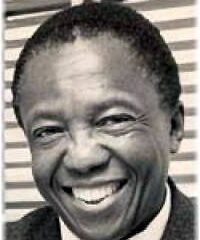
Sibusiso Nyembezi (1919 – 2000) was born in Babanango and is known as a Zulu novelist, poet, scholar, teacher and editor. The second of four brothers, Cyril Nyembezi attended local primary schools, then went to Mariannhill for high school. He received a B.A. from the University of South Africa in 1946, and his B.A. Honours in 1947 from the University of Witwatersrand in Johannesburg. From 1948 to 1953, Nyembezi was a lecturer in the Department of Bantu Studies, at the University of Witwatersrand, teaching Zulu and Xhosa. He took an M.A. at Wits in 1954 and the next year was appointed to the lecturing staff at the University College of Fort Hare.
He took an M.A. at Wits in 1954 and the next year was appointed to the lecturing staff at the University College of Fort Hare,
Remaining there until 1959 when he resigned in protest against the restrictive new policies being enforced at Fort Hare by the government. Others who resigned were Ambrose Phahle, Ethan Mayisele, and Selbourne Ngcobo. Out of work for a period, he took an editorial job with the publishers Shuter and Shooter in Pietermaritzburg, where he stayed until he retired
Nyembezi has received several accolades highlighting his literary talent. His book, The Rich Man of Pietermaritzburg, was voted one of Africa’s 100 best books of the 20th century. In 2005, Symonds Centre, a Pietermaritzburg landmark building, was renamed Professor Nyembezi Centre in his honour.
Selected Work
From Zulu Proverbs (1954)
(B) UBUQILI (Cunning) 1. Iqil’ elintethe zosiwa muva (He is the crafty one whose locusts are roasted last). Locusts were, and still are, eaten by some people, especially boys. When out herding, boys run after locusts, and when they catch them, they push a sharp stick through the thorax until there is a whole row of locusts. When they have collected enough, they make fire and roast them. A wily one will not allow his locusts to be roasted first. The practice is that everyone partakes of the locusts which have been collected by the others. It is possible, therefore, by careful manoeuvring, to save one’s locusts until the very end, when it is probable that the others have had enough and do not want more.
Thus the cunning one has all his locusts to himself. The proverb is used of a person who is keen to benefit from and by the efforts of others, but is reluctant to allow others to have anything from him. He behaves in the same way as the boy who wants the locusts of others, but keeps his own for himself.
2. Iqili lidliwa ngamany’ amaqili (A crafty person is consumed by other crafty people). The English say, “Set a thief to catch a thief.” A crafty person employs cunning to outwit other people. Because he knows the tricks of the trade, he will be able to catch other tricksters.
3. Amaqili kalali ndlininye (Crafty people do not share the same bedroom). Crafty people live by outwitting others. They choose for their victims the unsuspecting who fall easy prey. A crafty person, however, will see through the cunning of another.
The crafty, therefore, cannot feel happy in each other’s company.
Select Bibliography
1950. Mntanami! Mntanami! (Later entitled Ushicilelo lwesithathu in third printing, 1965). Johannesburg: Bona-Pers.
1953. Ubudoda abukhulelwa. Johannesburg: Shuter and Shooter.
1954. Zulu Proverbs.
Johannesburg: Shuter and Shooter. 1956. Uhlelo lwesiZulu. Johannesburg: Shuter and Shooter.
1958. Learn Zulu. Johannesburg: Shuter and Shooter.
1958. Cry, The Beloved Country, by Alan Paton, into Zulu as Lafa elihle kakhulu. Johannesburg: Shuter and Shooter.
1958. Izibongo zamakhosi. Johannesburg: Shuter and Shooter.
1961. Inkinsela yase Mgungundlovu. (Later translated as The Rich Man of Pietermaritzburg , 2008). Johannesburg: Shuter and Shooter.
1961. A review of Zulu literature. University lecture delivered in the University of Natal, Pietermaritzburg on Wednesday, 7th June, 1961, etc. Pietermaritzburg.
1963. Imisebe yelanga. Johannesburg: Educum Publishers.
1963. Izimpophoma zomphefumulo. Pietermaritzburg : Shuter and Shooter.
1963. Amahlunga aluhlaza. Johannesburg: Shuter and Shooter.
1964. Compact Zulu dictionary : English-Zulu, Zulu-English. Pietermaritzburg : Shuter and Shooter.
1966. Inqolobane yesizwe, (with Otty Ezrom Nxumalo). Johannesburg: Shuter and Shooter.
197-?. Saphela yizingozi nokuphelelwa wubuntu!. Saphela yizingozi nokuphelelwa wubuntu!.
1981. IGoda. Pietermaritzburg, South Africa : Lincroft Books.
1981. Isibuko senhliziyo. Pietermaritzburg, South Africa : Shuter & Shooter.
1983. Colenso : linguist. Pietermaritzburg : University of Natal.
1983. (co-author) Kgabane ya Mokokotlofo. Pietermaritzburg : Shuter & Shooter.
1987. Ulutya. Pietermaritzburg : Lincroft Books, 1964-1965 (1987 printing).
1988. (co-author) Anthology of articles on African linguistics and literature : a festschrift to C.L.S. Nyembezi. Johannesburg : Lexicon Publishers.
1990. Learn more Zulu. Pietermaritzburg : Shuter & Shooter ; Johannesburg : Thorold’s Books.
1992. AZ : isichazimazwi sanamuhla nangomuso. Pietermaritzburg : Reach Out Publishers.
1995. (co-author) Scholar’s Zulu dictionary : English-Zulu, Zulu-English. Pietermaritzburg : Shuter and Shooter.
1996. (co-author) Interview with Sibusiso Nyembezi. Pietermaritzburg: University of Natal.
Nyembezi has received several accolades highlighting his literary talent. His book, The Rich Man of Pietermaritzburg, was voted one of Africa’s 100 best books of the 20th century. In 2005, Symonds Centre, a Pietermaritzburg landmark building, was renamed Professor Nyembezi Centre in his honour.
Selected Work
From Zulu Proverbs (1954)
(B) UBUQILI (Cunning) 1. Iqil’ elintethe zosiwa muva (He is the crafty one whose locusts are roasted last). Locusts were, and still are, eaten by some people, especially boys. When out herding, boys run after locusts, and when they catch them, they push a sharp stick through the thorax until there is a whole row of locusts. When they have collected enough, they make fire and roast them. A wily one will not allow his locusts to be roasted first. The practice is that everyone partakes of the locusts which have been collected by the others. It is possible, therefore, by careful manoeuvring, to save one’s locusts until the very end, when it is probable that the others have had enough and do not want more.
Thus the cunning one has all his locusts to himself. The proverb is used of a person who is keen to benefit from and by the efforts of others, but is reluctant to allow others to have anything from him. He behaves in the same way as the boy who wants the locusts of others, but keeps his own for himself.
2. Iqili lidliwa ngamany’ amaqili (A crafty person is consumed by other crafty people). The English say, “Set a thief to catch a thief.” A crafty person employs cunning to outwit other people. Because he knows the tricks of the trade, he will be able to catch other tricksters.
3. Amaqili kalali ndlininye (Crafty people do not share the same bedroom). Crafty people live by outwitting others. They choose for their victims the unsuspecting who fall easy prey. A crafty person, however, will see through the cunning of another.
The crafty, therefore, cannot feel happy in each other’s company.
Select Bibliography
1950. Mntanami! Mntanami! (Later entitled Ushicilelo lwesithathu in third printing, 1965). Johannesburg: Bona-Pers.
1953. Ubudoda abukhulelwa. Johannesburg: Shuter and Shooter.
1954. Zulu Proverbs.
Johannesburg: Shuter and Shooter. 1956. Uhlelo lwesiZulu. Johannesburg: Shuter and Shooter.
1958. Learn Zulu. Johannesburg: Shuter and Shooter.
1958. Cry, The Beloved Country, by Alan Paton, into Zulu as Lafa elihle kakhulu. Johannesburg: Shuter and Shooter.
1958. Izibongo zamakhosi. Johannesburg: Shuter and Shooter.
1961. Inkinsela yase Mgungundlovu. (Later translated as The Rich Man of Pietermaritzburg , 2008). Johannesburg: Shuter and Shooter.
1961. A review of Zulu literature. University lecture delivered in the University of Natal, Pietermaritzburg on Wednesday, 7th June, 1961, etc. Pietermaritzburg.
1963. Imisebe yelanga. Johannesburg: Educum Publishers.
1963. Izimpophoma zomphefumulo. Pietermaritzburg : Shuter and Shooter.
1963. Amahlunga aluhlaza. Johannesburg: Shuter and Shooter.
1964. Compact Zulu dictionary : English-Zulu, Zulu-English. Pietermaritzburg : Shuter and Shooter.
1966. Inqolobane yesizwe, (with Otty Ezrom Nxumalo). Johannesburg: Shuter and Shooter.
197-?. Saphela yizingozi nokuphelelwa wubuntu!. Saphela yizingozi nokuphelelwa wubuntu!.
1981. IGoda. Pietermaritzburg, South Africa : Lincroft Books.
1981. Isibuko senhliziyo. Pietermaritzburg, South Africa : Shuter & Shooter.
1983. Colenso : linguist. Pietermaritzburg : University of Natal.
1983. (co-author) Kgabane ya Mokokotlofo. Pietermaritzburg : Shuter & Shooter.
1987. Ulutya. Pietermaritzburg : Lincroft Books, 1964-1965 (1987 printing).
1988. (co-author) Anthology of articles on African linguistics and literature : a festschrift to C.L.S. Nyembezi. Johannesburg : Lexicon Publishers.
1990. Learn more Zulu. Pietermaritzburg : Shuter & Shooter ; Johannesburg : Thorold’s Books.
1992. AZ : isichazimazwi sanamuhla nangomuso. Pietermaritzburg : Reach Out Publishers.
1995. (co-author) Scholar’s Zulu dictionary : English-Zulu, Zulu-English. Pietermaritzburg : Shuter and Shooter.
1996. (co-author) Interview with Sibusiso Nyembezi. Pietermaritzburg: University of Natal.